Case study: Isoporc
Isoporc: a new view of inventory
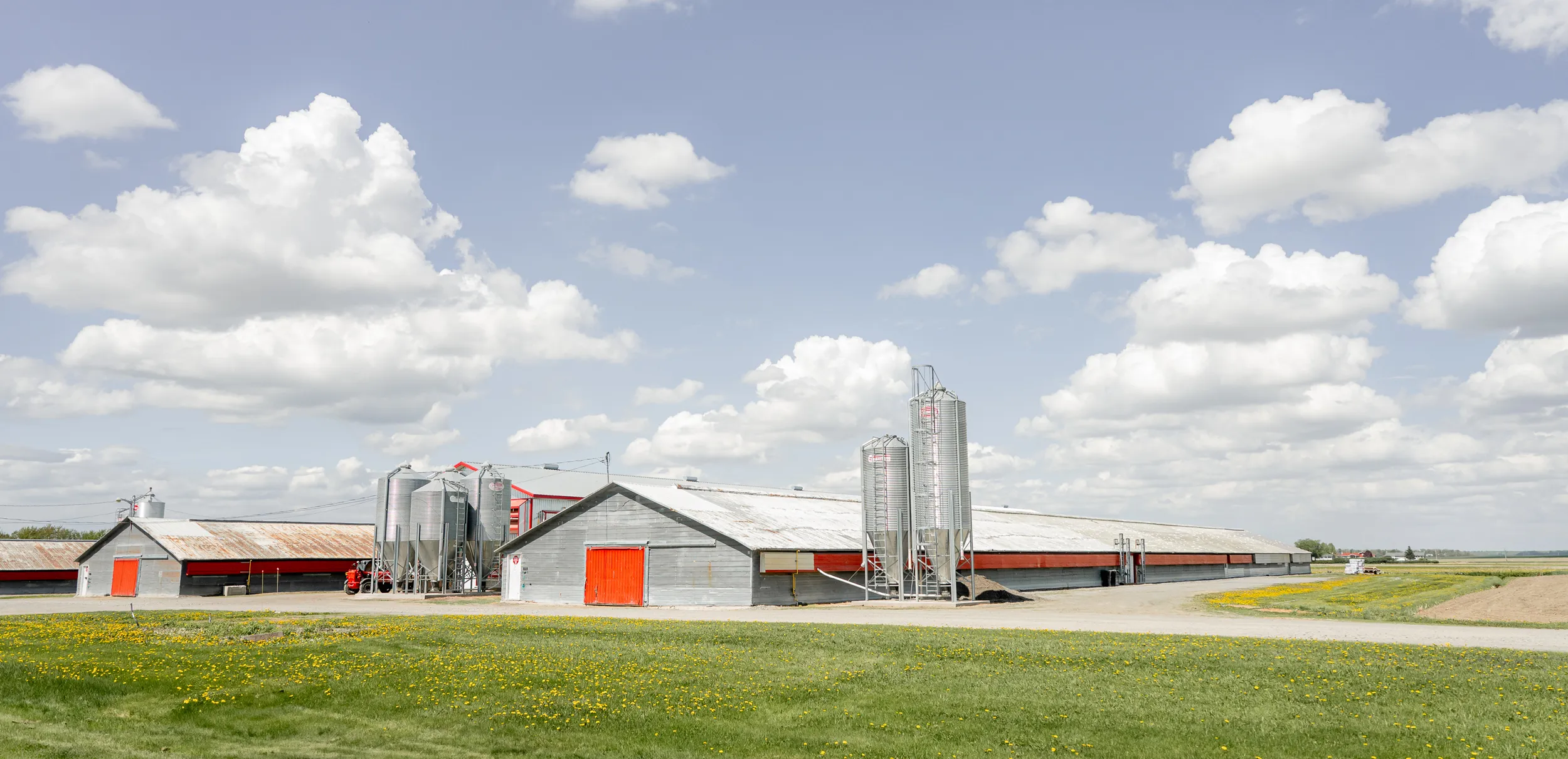
Isoporc raises close to 335,000 pigs a year. With more than 300 feed bins across about a hundred partner farms, it replaced manual inventory estimates with a centralized data platform.
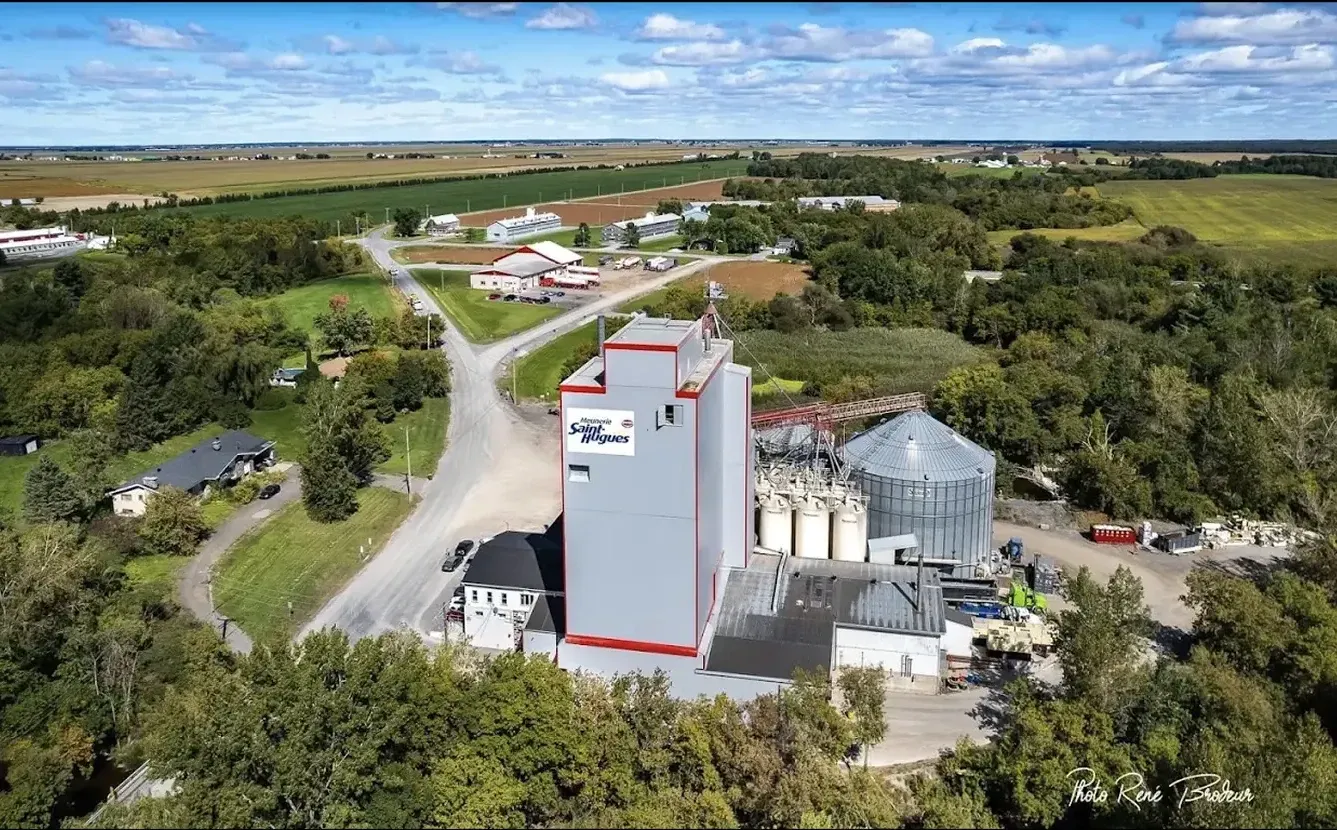
“With AgFlo, we finally have the near real-time visibility we were missing. It's a complete shift in how we manage our inventories, orders and production. This is the feed mill of the future.”
Martin Leroux
General Manager, Isoporc
01
The challenge
Before AgFlo, inventory management relied on visual estimates, tapping bins with a hammer and phone calls. These manual methods created several challenges:
- Limited visibility into feed levels, increasing the risk of bins running empty and emergency orders.
- Wrong or late orders, disrupting production planning.
- Significant logistics costs, with unoptimized deliveries and costly end-of-batch pickups.
- Difficulty following the feeding program precisely, particularly when feed costs are high.
02
The solution
The solution put in place
After a rigorous pilot phase, Isoporc rolled out the AgFlo solution at scale. Compared with other, more complex and costly systems, AgFlo won them over with:
- Accurate, affordable sensors that are easy to install, retrieve and redeploy when farm partnerships change.
- Compatibility with bins of varying sizes and materials.
- In field testing, 99% of AgFlo readings differed by less than one metric tonne from industrial scale measurements.
A data management platform
But above all, AgFlo stood out with its data management software platform, the true heart of the solution:
- Visual bin mapping with color-coded level indicators.
- Consumption curves and detailed history.
- Centralized, continuous access from any connected device.
- Successful test of remote feed ordering, a first step toward full automation.
03
The results
Results in practice
Proven accuracy
- In field testing, 99% of AgFlo readings differed by less than one metric tonne from industrial scale measurements.
- Lower risk of bins running empty or being overfilled.
Optimized costs and transport
- Fewer deliveries and better route planning.
- Fewer end-of-batch pickups, limiting costly handling and quality losses.
- A positive impact on the carbon footprint.
Direct economic gains
- Savings of several thousand dollars per farm from better adherence to the feeding program and optimized logistics.
Safety and peace of mind
- Fewer unnecessary trips.
- Less uncertainty for producers and teams.
Outlook and vision for the future
Building on these results, Isoporc and its parent company, Groupe Mario Côté, committed in 2025 to a rollout of 900 additional sensors, covering their entire farm network and part of their partner sites. The ambition is to go even further, by:
- Automating feed orders based on continuous data.
- Integrating the AgFlo platform with the mill's production and logistics software, to synchronize manufacturing and transport.
- Giving producers direct access to track and manage their own feed inventory.